Be honest with yourself—when was the last time you sat down to study and actually stayed focused the whole time? For most of us, it doesn’t happen often. The moment you get into the flow, your phone buzzes, or you remember to check an email, and your attention is gone.
I’ve done it more times than I can count. I’d sit down, open my laptop, and tell myself, “Two solid hours, no distractions.” Ten minutes later, I’d be on YouTube watching funny clips or scrolling through memes. It’s frustrating because deep down, you know you could do better if you could just tune out the noise.
That’s where deep work techniques come in. Deep work, a concept Cal Newport made famous, is basically the ability to lock in on one meaningful task without getting pulled away by distractions. And trust me, when you get it right, it feels like magic—time flies, your brain feels sharp, and you actually finish what you planned.
In this post, I’ll share strategies that helped me (and many others) fight digital noise, stay focused while studying, and build a work rhythm that actually lasts.
Why Deep Work Matters More Than Ever
Here’s a scary stat: Researchers at the University of California, Irvine found that once you get distracted, it takes about 23 minutes to fully refocus. Twenty-three minutes! No wonder our days feel so scattered.
The truth is, our best work—whether it’s preparing for an exam, writing an essay, or finishing a big project—doesn’t come from multitasking. It comes from long, focused hours where you’re in “the zone.”
Bill Gates once spent entire weeks alone in a cabin just thinking and writing down ideas. Those “Think Weeks” shaped the direction of Microsoft. Of course, you and I don’t need a cabin in the woods—but we do need methods to reclaim our focus.

Deep Work Techniques That Actually Work
1. The Pomodoro Method
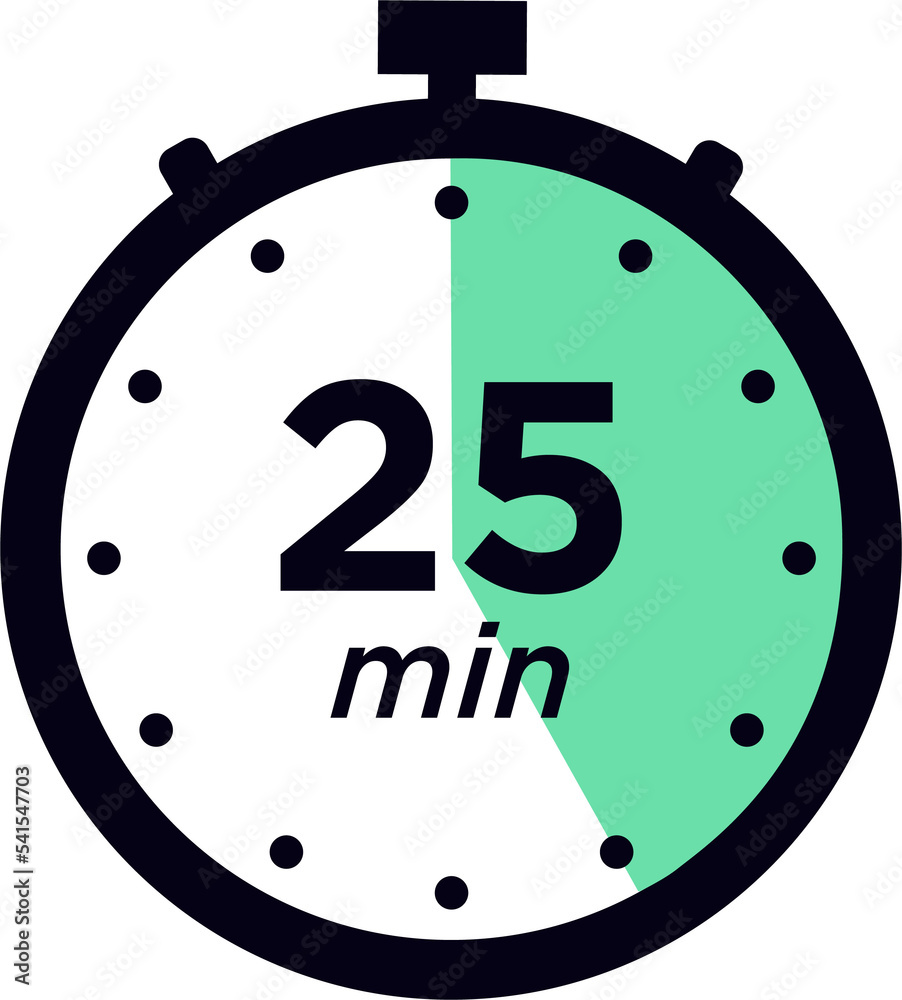
This one’s a classic. You work for 25 minutes, take a 5-minute break, and repeat. After four rounds, you take a longer break.
When I first tried it, I was shocked by how much I got done. Something about knowing “I only need to focus for 25 minutes” makes it less scary to start.
Tip: Use a simple timer or the Forest app (which grows a little digital tree while you focus).
2. Time Blocking
Instead of winging your day, you plan it hour by hour. You decide: “9–11 a.m. is study time, 11–12 is exercise, 1–3 is writing,” and so on.
Elon Musk famously breaks his day into 5-minute slots. You don’t have to be that extreme, but even blocking out two hours for deep work can completely change how much you accomplish.
What worked for me: I color-coded my Google Calendar—blue for study, red for personal tasks. It made my day feel structured instead of chaotic.
3. Digital Minimalism
Let’s face it—our phones are attention traps. One innocent “I’ll just check Instagram” can cost you an entire hour.
Here’s what helped me:
- I turned off all non-essential notifications.
- I left my phone in another room while studying.
- I used site blockers like Freedom to cut off YouTube and Twitter during work hours.
After a week of this, my brain actually felt calmer, like I had more mental space.
How to Stay Focused While Studying
When exam season hits, focus becomes survival. Here are a few tricks I wish I’d learned sooner:
- Clear your desk. A messy space = a messy mind.
- Set a study ritual. Mine was making tea and opening my notes to the last page I studied.
- Use active recall. Don’t just read—quiz yourself. It sticks better.
- Don’t neglect breaks. Walk around, stretch, drink water. Your brain needs oxygen.
One thing I noticed: the moment I started treating studying like training at the gym—short, intense sessions with recovery time—I remembered more and stressed less.
Building a Routine That Lasts
Deep work is not about doing it once. It’s about building habits. Here’s how to start small and grow:
- Choose your hours. Most people focus best in the morning.
- Make it a ritual. Light a candle, put on headphones, or start with the same playlist.
- Track your progress. Write down how long you stayed focused each day.
- Reward yourself. After two hours of deep work, walk or treat yourself.
I started with just 45 minutes a day. Within a month, I could focus for 3 hours straight without checking my phone.
Expert Insight
Cal Newport calls deep work “a superpower in the 21st century.” And he’s right. Studies show multitasking can lower productivity by up to 40%. That’s almost half your day gone.
When you train your brain to work deeply, you give yourself an edge most people don’t have.
FAQs About Deep Work Techniques
Q1: What’s the easiest deep work technique for beginners?
Start with the Pomodoro Method. It’s simple and keeps you motivated with built-in breaks.
Q2: How long should I do deep work at once?
Aim for 60–90 minutes max, then rest. Your brain works like a muscle—it needs recovery.
Q3: Can deep work help with exam prep?
Of course it can. I noticed that when I studied with real focus—no phone, no tabs open—I actually remembered more. It’s not about cramming; it’s about giving your brain the space to process information. If you’ve ever had that feeling of reading a page and instantly forgetting it, deep work is the cure.
Q4: Should I do deep work in the morning or at night?
Honestly, it depends. A lot of people swear by early mornings because your brain is fresh and the world is quiet. But I’ve also met plenty of night owls who get their best work done after midnight. Try both, see what sticks, and then protect those hours like gold.
Conclusion: Start Your First Deep Work Session Today
Here’s the truth: deep work isn’t about doing more. It’s about doing the right things with your full attention. Techniques like Pomodoro, Time Blocking, or even just putting your phone in another room can completely change the way you study or work.
If you want to test it, don’t overthink. Just take one hour today. Pick one task, shut everything else off, and dive in. I promise—you’ll be surprised how much better the work feels when your brain is actually “all in.”
👉 The best version of your work is waiting on the other side of focus. Give it a try—you might not want to go back.
Home
.jpg)
.jpg)


No comments:
Post a Comment